How to Choose Your Wedding Catering Style: Plated, Buffet, Stations, or Family-Style
Plated, buffet, stations, or family-style? Compare wedding catering styles by cost, formality, and guest count

door Sarah Glasbergen op 31 maart 2026
Webredacteur
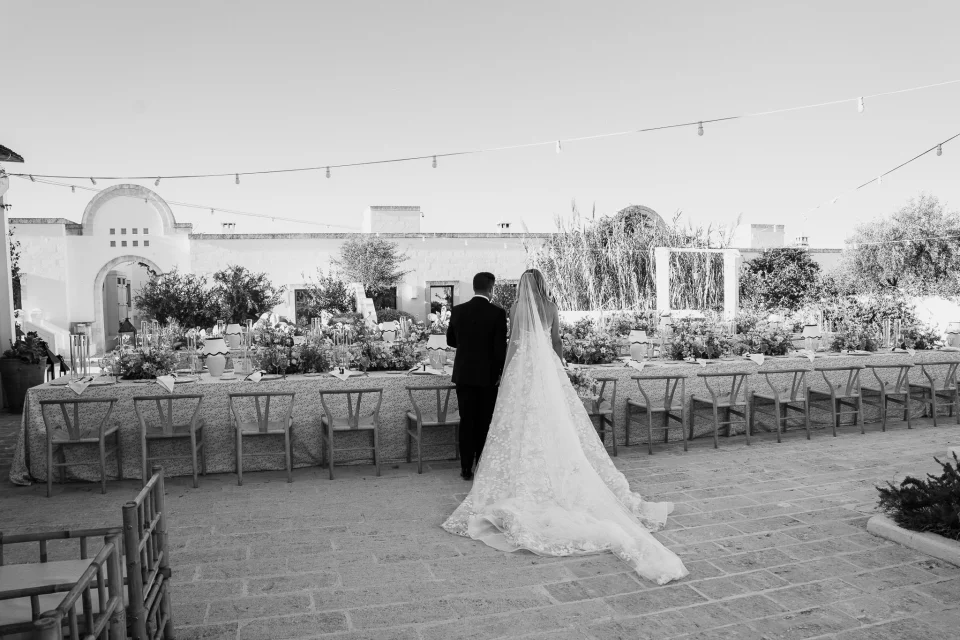
TLDR: Your catering style shapes the entire reception experience: the pace, the atmosphere, the cost, and how your guests interact with the food. ThePerfectWedding.com's catering experts compare the four main service styles, explain what each costs, and help you match the right style to your venue, guest count, and wedding vibe.
Key Facts at a Glance
- Catering accounts for 20% to 30% of the total wedding budget, making it the largest single expense after the venue (Source: The Knot, 2025)
- Plated dinners cost 15% to 25% more per person than buffets due to staffing requirements (Source: WeddingWire)
- Food stations are the fastest-growing catering trend, combining variety with interactive guest experience (Source: Brides.com)
- For per-person cost breakdowns, see our catering cost per person guide
- For menu ideas at every price point, see our wedding menu on a budget guide
The Four Main Catering Styles Compared
| Style | Cost per Person | Formality | Guest Count | Staffing Needs |
| Plated dinner | $85 - $200+ | Formal to ultra-formal | Any, but most elegant at 80-200 | High (1 server per 15-20 guests) |
| Buffet | $60 - $130 | Semi-formal to casual | Best for 80-200+ | Medium (attendants + chef at stations) |
| Food stations | $70 - $150 | Semi-formal, modern | Best for 75-250 | Medium-High (chef at each station) |
| Family-style | $70 - $140 | Warm, communal, rustic | Best for 30-120 | Medium (servers deliver platters) |

Plated Dinner: The Formal Classic
How it works: Guests choose their entree in advance (via RSVP card). Each course is plated in the kitchen and served to each guest individually by waitstaff. Typically includes 3 courses: appetizer or salad, entree, and dessert.
Pros: Most elegant presentation. Controlled portions mean less food waste. Every guest gets a beautifully plated dish. The service pace keeps the timeline on track.
Cons: Highest cost per person due to extensive staffing. Less flexibility for guests with last-minute dietary changes. Requires guests to commit to a meal choice weeks in advance.
Best for: Formal venues (ballrooms, estates, restaurants), black-tie weddings, and couples who want a refined dining experience. Works at any guest count but shines at 80 to 200.

Buffet: The Crowd-Pleasing Favorite
How it works: Food is displayed on serving tables and guests serve themselves. Typically includes 2 to 3 entree options, sides, salads, bread, and a dessert station. Tables are released in waves to prevent long lines.
Pros: More affordable per person. Guests choose what and how much they eat. Accommodates dietary preferences without pre-planning. Less formal, more relaxed atmosphere.
Cons: Lines can form if not managed well. Food quality can decline as dishes sit on the buffet. Requires more total food (plan for 20% to 30% more than plated). Less visually elegant than plated.
Best for: Semi-formal and casual celebrations, backyard weddings, garden parties, and weddings with diverse dietary needs. Works best at 80 to 200+ guests.

Food Stations: The Interactive Experience
How it works: Multiple themed stations are set up around the reception space, each serving a different cuisine or course. Examples: a pasta station, a carving station, a taco bar, a sushi station, an oyster bar. Guests circulate freely between stations.
Pros: The most interactive, social dining experience. Guests mingle as they move between stations. Each station can feature a different cuisine, offering impressive variety. Live cooking at stations adds entertainment value.
Cons: Requires more floor space than plated or buffet. Can be slightly more expensive due to chef-attended stations. Some guests (especially elderly) may prefer to be served at their table.
Best for: Modern, social weddings where mingling and interaction are priorities. Works beautifully at winery weddings, loft spaces, and outdoor garden celebrations. Best at 75 to 250 guests.
For food truck options (a station-style variation), see our food truck wedding catering guide.

Family-Style: The Warm, Communal Choice
How it works: Large platters of food are brought to each table and guests serve themselves, passing platters around like a family dinner. Typically includes 2 to 3 entrees, multiple sides, salads, and bread.
Pros: Creates a warm, communal atmosphere that encourages conversation. Guests feel taken care of (food comes to them) while still having choice. Less formal than plated but more elegant than buffet.
Cons: Does not work well at very large weddings (150+ guests) where service logistics become complex. Requires long or round tables with enough space for platters. Some food may run out at the last tables served if not carefully portioned.
Best for: Intimate and mid-sized weddings (30 to 120 guests), rustic and farm-table settings, and couples who want a convivial, "gathering around the table" feeling. See our table setting ideas for family-style table styling.
How to Choose the Right Style for Your Wedding
Match the style to your venue. A plated dinner in a grand ballroom feels right. Family-style at a long farm table in a barn feels right. A buffet at a casual outdoor wedding feels right. When the catering style matches the setting, the whole experience is cohesive.
Match the style to your budget. If catering is your top priority, plated is worth the investment. If you want to allocate more budget elsewhere (photography, entertainment, decor), buffet gives you a great experience at a lower per-person cost. See our hidden costs guide for budgeting surprises.
Consider your guests. Elderly guests and young children do better with plated or family-style service (food comes to them). Young, social crowds love stations. Large, diverse guest lists work best with buffet.
Ask your caterer. Professional caterers know what works in your specific venue, with your guest count, and within your budget. Present your vision and let them recommend the best service style.
Expert Tip: "The catering style sets the mood for the entire reception. Plated says 'elegant dinner party.' Buffet says 'relaxed celebration.' Stations say 'explore and socialize.' Family-style says 'we are all family tonight.' Choose the mood you want your guests to feel, and the catering style follows naturally."
Sarah Glasbergen, Senior Wedding Editor at ThePerfectWedding.com

Catering Style FAQ
Can I combine styles?
Absolutely. Many weddings use plated for the salad course, stations for the main course, and a dessert buffet. Or family-style for dinner and a late-night food truck. Mixing styles creates variety and keeps guests engaged. See our late-night snack ideas for end-of-night options.
What about dietary restrictions?
Every caterer can accommodate common dietary needs (vegetarian, vegan, gluten-free, kosher). Buffet and stations are naturally more flexible. For plated dinners, include a dietary question on your RSVP card. See our vegan menu guide for plant-based inspiration.
Do I need a tasting before booking?
Always. A tasting lets you sample the caterer's food quality, presentation, and portion sizes. Most caterers offer tastings for 2 to 4 people. Some charge a fee that is credited toward your final bill if you book.
Find Caterers on ThePerfectWedding.com
Browse caterers on our catering directory. Budget your food with our catering cost per person guide and our budget menu ideas. Explore signature cocktail ideas for your bar, and complete the reception with our late-night snack guide. Plan your vendor team with our 12-month wedding checklist.


